跳过导航链接Home > Support > Support FAQs
As a industry leader for BTS site installation materials, we were requested by our customers and perspects everyday for questions about BT site installation and site materials. Also, we were request by overseas customers
Here is the most frequently asked questions:
Why buy from JSKK?
Cable Ladder/Cable Tray
    What is a Cable Ladder&Tray System?
    What types of Cable Tray are available?
    How do I know what type of cable tray is right for my application?
    What materials / finishes are available for the various cable tray systems?


Five reasons why buy BT site materials from JSKK?
1, We are expert.
JSKK is a polit in site materials manufacturing. JSKK the first player in China market for site mateirals, right from 1994. Unlike other competitors, BTS site installation materials is our core business. 80% of our sales comes from site material manufacturing. We are professional on those "simple" products.
2, We have good quality.
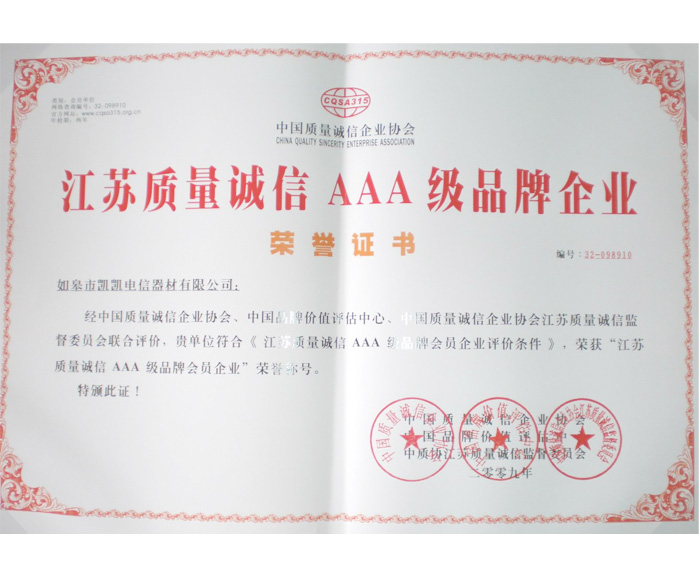
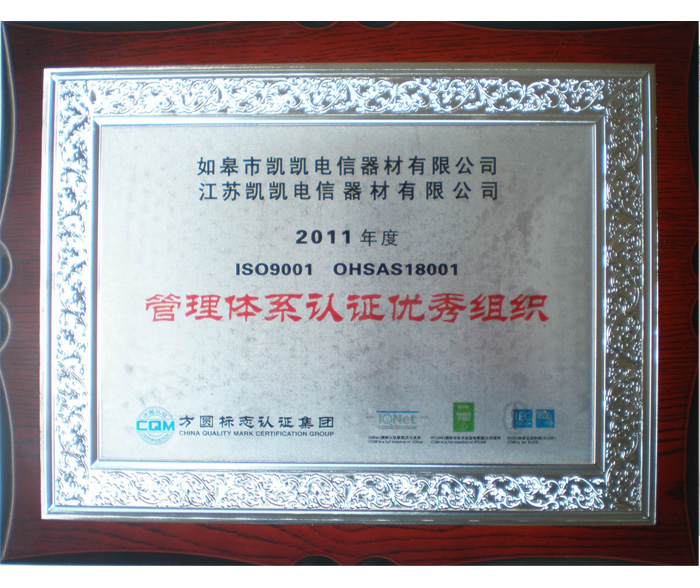
JSKK has more ten years experience working with multinational players such as Ericsson and Nokia. They put high requirement and expectaton on JSKK, and we made it. JSKK is also a ISO9001&ISO14001 certificate holder. 3, We have good price.
We know how to make cost low while keep good quality level. We are located far from so called developed area, so we can reduce labor cost. To ensure the low cost strategy, we even produce those stainless steel fasteners ourselves. We are confident to say, we are very price competitive based on the quality we deliver.
4, We response quick.
Telecom is about speed, and JSKK knows the game. BTS site materials is project-based products, we we know how it works. By working closely with our customers, we leverage the whole supply chain to ensure quick delivery. 5, We pursuit partnership, not vendorship.
We work with partners, not customers. We develop products together with Ericsson. We build special stock for Nokia project. We pursuit partnership, not vendorship.
What is a Cable Ladder&Tray System?
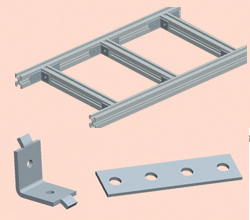
A cable ladder/tray system is "a unit or assembly of units or sections and associated fittings forming a rigid structural system used to securely fasten or support cables and raceways."
What does this mean?
* Cable trays support cable the way that roadway bridges support traffic.
* A bridge is a structure that provides safe passage for traffic across open spans.
* Cable tray is the bridge that allows for safe transport of wires across open spans.
* Therefore, think of cable tray as the structural component of a building's electrical system.

What types of Cable Tray are available?
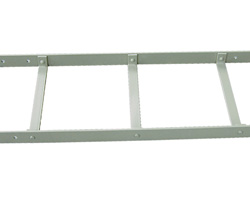
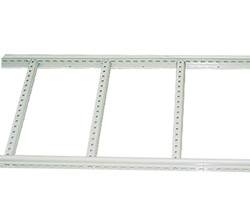
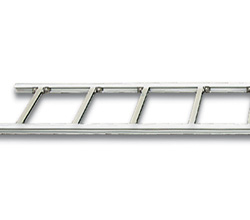
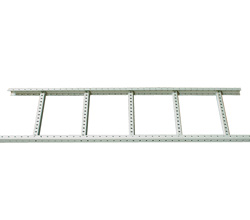
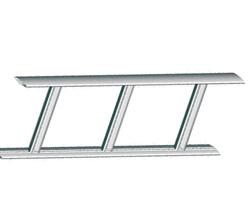
1. Ladder
2. Solid Bottom
3. Trough
4. Channel
5. Wire Mesh
6. Single Rail

How do I know what type of cable tray is right for my application?
1. Ladder Cable Tray provides:
1. Solid side rail protection and system strength with smooth radius fittings and a wide selection of materials and finishes.
2. maximum strength for long span applications
tandard widths of 6,12,18, 24, 30, and 36 inches
3. standard depths of 3, 4, 5, and 6 inches
4. standard lengths of 10, 12, 20 and 24 feet
5. rung spacing of 6, 9, 12, and 18 inches
Ladder cable tray is generally used in applications with intermediate to long support spans, 12 feet to 30 feet.

2. Solid Bottom Cable Tray provides:
1. Nonventilated continuous support for delicate cables with added cable protection available in metallic and fiberglass.
2. Solid bottom metallic with solid metal covers for nonplenum rated cable in environmental air areas
3. standard widths of 6, 12, 18, 24, 30, and 36 inches
4. standard depths of 3, 4, 5, and 6 inches
5. standard lengths of 10, 12, 20 and 24 feet
Solid Bottom cable tray is generally used for minimal heat generating electrical or telecommunication applications with short to intermediate support spans of 5 feet to 12 feet.
3. Trough Cable Tray provides:
1. Moderate ventilation with added cable support frequency and with the bottom configuration providing cable support every 4 inches. Available in metal and nonmetallic materials.
2. standard widths of 6, 12, 18, 24, 30, 36 inches
3. standard depths of 3, 4, 5, and 6 inches
4. standard lengths of 10, 12, 20 and 24 feet
5. fixed rung spacing of 4 inch on center
Trough cable tray is generally used for moderate heat generating applications with short to intermediate support spans of 5 feet to 12 feet.
4. Channel Cable Tray provides:
1. an economical support for cable drops and branch cable runs from the backbone cable tray system.
2. standard widths of 3, 4, and 6 inches in metal systems and up to 8 inches in nonmetallic systems.
3. standard depths of 1?1?inches in metal systems and 1, 1 1/8, 1 5/" and 2 3/16 inches in nonmetallic systems
4. standard length of 10, 12, 20 and 24 feet
Channel cable tray is used for installations with limited numbers of tray cable when conduit is undesirable. Support frequency with short to medium support spans of 5 to 10 feet.
5. Wire Mesh Cable Tray provides:
1. A job site, field adaptable support system primarily for low voltage, telecommunication and fiber optic cables. These systems are typically steel wire mesh, zinc plated.
2. standard widths of 2, 4, 6, 8, 12, 16, 18, 20, and 24 inches
3. standard depths of 1, 2, and 4 inches
4. standard length of about 10 feet (118")
Wire Mesh tray is generally used for telecommunication and fiber optic applications and are installed on short support spans, 4 to 8 feet.
6. Single Rail Cable Tray provides:
1. These aluminum systems are the fastest systems to install and provide the maximum freedom fort cable to enter and exit the system.
2. Single hung or wall mounted systems in single or multiple tiers.
3. Standard widths are 6, 9, 12, 18, and 24 inches.
4. Standard depths are 3, 4, and 6 inches.
5. Standard lengths are 10 and 12 feet.
Single Rail Cable Tray is generally used for low voltage and power cables installations where maximum cable freedom, side fill, and speed to install are factors.

What materials / finishes are available for the various cable tray systems?
1. Steel (Min. Yield = 33KSI) (35 KSI for Stainless)
1. Plain: hot rolled pickled and oiled steel per ASTM A569 (Commercial Quality) or A570 (Structural Quality)
2. Pre-Galvanized: mill galvanized steel per ASTM A653 CS (Commercial) or SS (Structural) G90
3. Hot Dip Galvanized After Fabrication: plain steel which is hot dipped after fabrication per ASTM A123.
4. Stainless Steel: type 304 or 316L fully annealed stainless steel

2. Aluminum (Min.Yield = 23 KSI)
1. 6063-T6 or 5052-H32 alloy per ASTM B209